
Your own flat file is the publishing source
Perci generates and publishes listings, but it cannot take an external flat file you maintain as the source of a publish. If your entire pipeline depends on your own templates, that can be a dealbreaker.
For Amazon agencies and service providers
Your content team's capacity is your ceiling. Sales can only sign what delivery can absorb, and listing work is the part that doesn't scale by hiring quickly.
Perci is the production layer underneath that. Same team, same margin, a lot more catalog.
01
Perci makes you more profitable because you still charge the same amount for a project but spend fewer hours.
Not only that, but you can service more clients with the same number of employees. In that sense, you're more profitable twice over, and thus the agency can be dramatically more profitable.
Take what you charge a client per listing. Subtract Perci's monthly per-listing rate, published on the pricing page. Set that against what producing the same listing by hand costs your team today.
Then think about the catalogs you've quoted reluctantly. The 2,000-SKU client you turned down. The overhaul you never raised because delivering it would have swallowed the team for a month.
Capacity stops being the reason you say no.
02
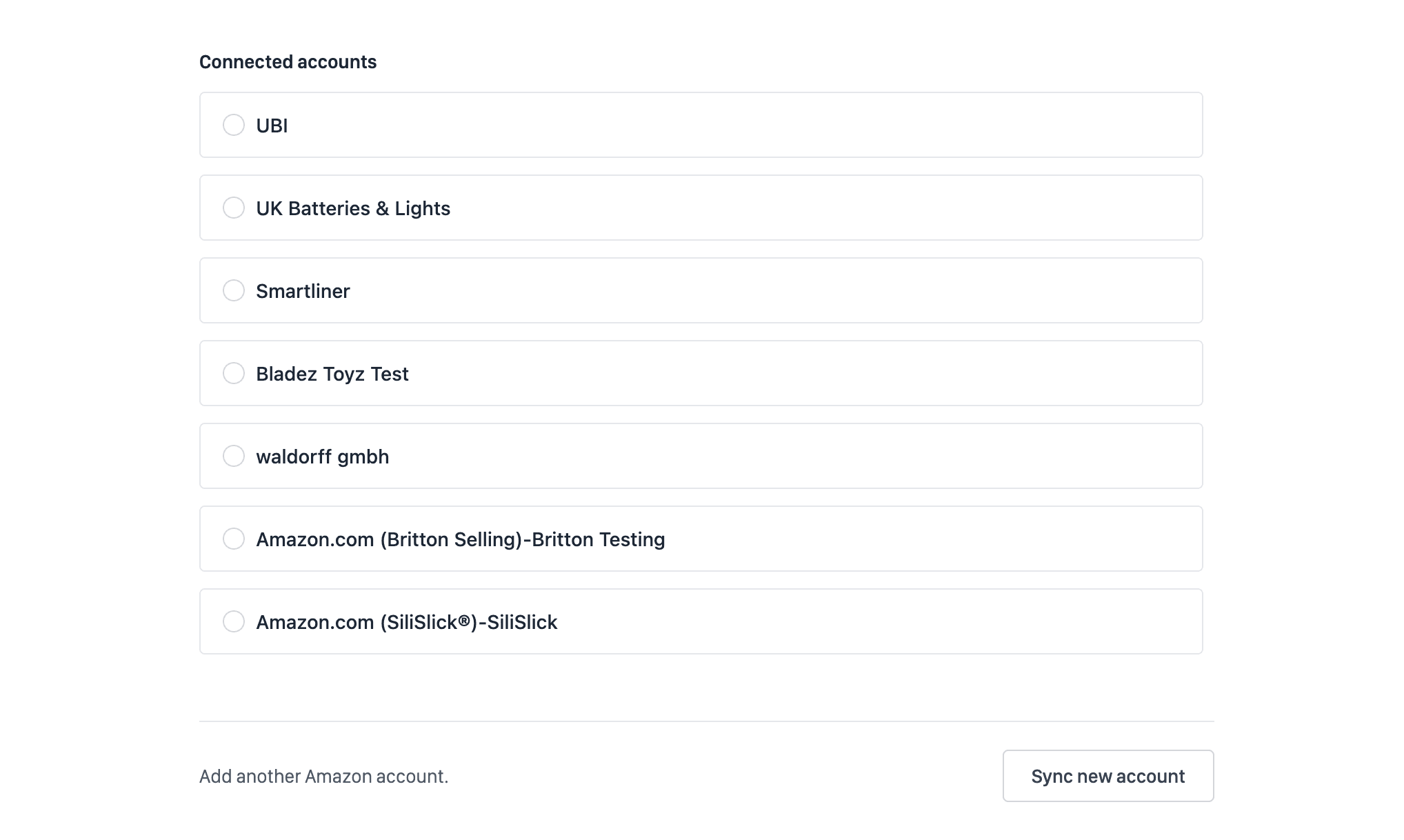
Each client keeps its own Amazon connection under your agency login.
The whole content team works from one shared production environment.
Spend credits wherever the work is that month, with no client allocation to manage.
Reports and downloads carry your agency brand, not Perci's.
03
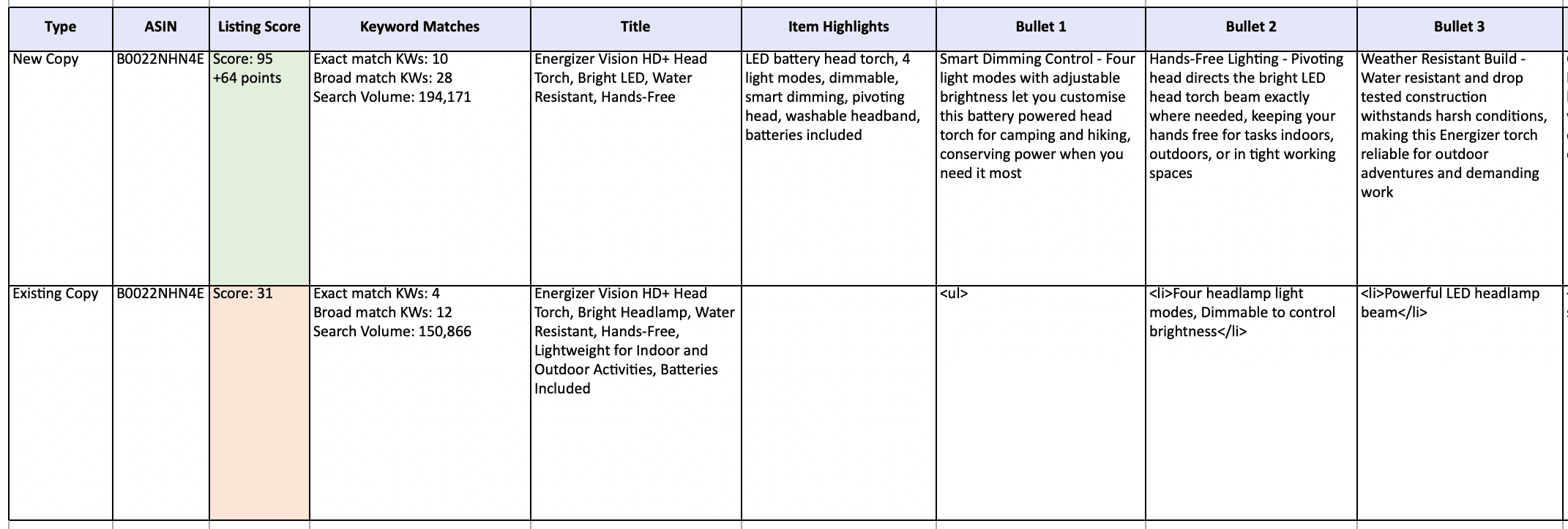
Agency work has a step most tools ignore: the client has to see the changes before anything goes live.
Perci exports every change as a client-friendly before-and-after comparison. It is white-labeled and readable by someone who does not live in Seller Central. It is a review document, not a flat file, so the person approving it can see what changed and why.
When edits come back light, make them in Perci and publish. When the client returns a heavily marked-up spreadsheet, continue from that spreadsheet in your own process.
04
Perci's monthly credit plans are available to agencies, brands, and any team with consistent listing volume. Choose a plan based on the number of listings you expect to produce each month.
05
Simpliworks manages 40 to 50 brand clients. Listing optimization took over an hour per product, which capped the size of client the team could take on.
“Perci has become a really smooth part of our process. It's like a calculator - a reliable tool that just works.”Scott Tooter, Head of Operations, Simpliworks
06
Perci generates and publishes listings, but it cannot take an external flat file you maintain as the source of a publish. If your entire pipeline depends on your own templates, that can be a dealbreaker.
Perci cannot read a marked-up sheet back in. Light edits are quick to apply in Perci. If a client rewrites half the copy in a spreadsheet, you will build the flat file from that point.
If listing work arrives once a year or a few SKUs at a time, a monthly credit plan may not earn its place. Buy a credit pack when the project lands instead.
07
Yes. Keep separate client accounts under one login, each with its own Amazon connection.
Any number of team seats can work in the account.
Yes. Client-facing reports and downloads can be white-labeled.
They belong to your agency. One shared credit pool can be used wherever the work is across your client roster.
Yes. Monthly credit plans give teams with consistent listing work a lower per-listing rate, whether the listings belong to clients or to their own catalog.
Choose a monthly credit plan based on the listing volume you expect to produce. Plans are billed monthly with a six-month minimum commitment, and unused credits expire at the end of each billing period.
Bring the client size, your current delivery process, and what you charge. We'll show you what production looks like in Perci.